Sale!
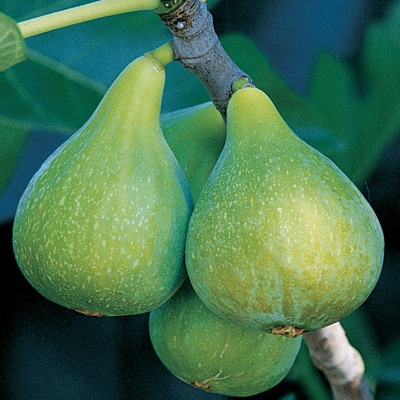
Fig Tree (Desert King)
$ 17.99
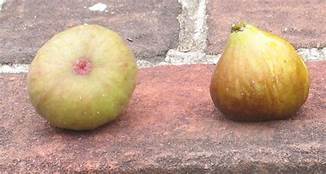
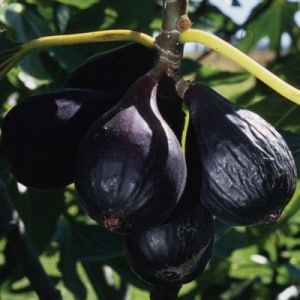
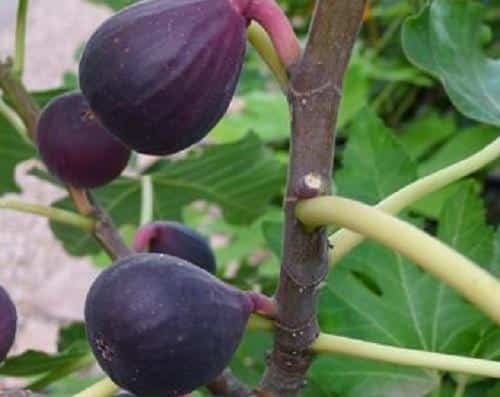
Description Desert King is the benchmark fig for the Pacific Northwest and other cool-summer climates. Known for its exceptionally reliable breba crop, it produces large, green-skinned figs with deep strawberry-red flesh that ripen in midsummer—well ahead of most varieties. Even in cloudy or unpredictable summers, Desert King delivers heavy yields when other figs fail to ripen. This variety thrives in coastal and maritime regions where heat units are limited. Its rich, jammy flavor, vigorous growth, and dependable performance make it one of the most widely planted figs in western Washington. Desert King is ideal for fresh eating, dehydrating, and making preserves, and it can be kept compact with annual pruning. Overview Outstanding cold-coastal performance — one of the most reliable figs for the Pacific Northwest. Large breba crop that ripens in late July to early August. Sweet, berry-flavored flesh with a soft, thin skin. Vigorous and easy to grow — adaptable to many soils once established. Self-fertile and productive even in short-season climates. Growing Details Latin Name: Ficus carica ’Desert King’Site and Soil: Well-drained soil; 1/2 day to full day of sunHardiness (Temp): Typically to 5–10°F once establishedBearing Age: 1–2 years after plantingRootstock: Own rootsSize at Maturity: 12–15 ft (easily kept smaller with pruning)Bloom Time: Not applicable (figs develop from fruit buds, not flowers)Ripening Time: Breba crop in late July–early August; main crop seldom ripens in cool climatesYield: Heavy breba production in the Puget Sound regionPests and Diseases: Generally trouble-free; occasional winter dieback in very cold yearsUSDA Zone: 7–10 Additional Notes Desert King fruits on last year’s wood, so avoid heavy winter pruning of one-year-old branches. Excellent choice for maritime climates where summer heat is limited—one of the top performers in western Washington. Can be trained as a shrub or small tree; responds well to renewal pruning. Explore more fig varieties in our collection: Fig Trees
Planting & Care
At a Glance – 3-in-1 Combination Peach Tree
- Sun: 1/2 day to full day of sun
- Soil: Well-drained, moderately fertile soil
- Water: Keep evenly moist during establishment
- Rootstock: Semi-dwarf (Lovell)
- Size: 12–15 ft at maturity
- Pollination: Self-fertile
- Harvest: July–September
- Hardiness: USDA Zone 5–9
Planting & Care – 3-in-1 Combination Peach Tree
Site Selection
- Choose a location with excellent sunlight to ensure full sweetness and color.
- Good airflow reduces fungal pressure, especially in humid or coastal climates.
Soil Preparation
- Prefers well-drained loam or sandy loam; avoid clay-heavy or waterlogged soil.
- Add compost to improve drainage and fertility.
- Ideal soil pH: 6.0–7.0.
Planting Instructions
- Plant at the same depth as in the nursery pot.
- Water deeply and mulch with 2–3 inches of organic matter.
- Keep mulch a few inches away from the trunk.
Watering & Fertilizing
- Maintain consistent moisture during the first 1–2 years.
- Deep water 1–2 times per week in heat or drought.
- Peaches are medium feeders—use a balanced organic fertilizer in early spring if growth appears weak.
- Avoid overfertilization, which reduces fruit quality and increases disease risk.
Pruning & Graft Management
- Prune more vigorously growing grafts to maintain balance across the tree.
- Encourage an open center to improve light penetration.
- Thin fruit clusters to improve size and prevent limb damage.
Harvest & Use
- Frost offers classic peach flavor with strong leaf curl resistance.
- Salish Summer (Q-1-8) produces juicy, richly flavored fruit well-suited to cooler climates.
- Indian Free provides brilliant red flesh and outstanding complexity.
- Muir delivers exceptionally sweet, aromatic fruit.
General Tips
- Combination peach trees thrive when graft vigor is balanced yearly through pruning.
- Renew mulch annually and water consistently for best fruit quality.
- Leaf curl–resistant varieties reduce the need for sprays in many climates.